“We don’t like bitter things. That’s why tea never caught on here.”
My Filipino husband said this so casually, like it was the most obvious thing in the world. The conversation started because I asked him — while we were sharing a slice of his favorite cake — why Filipinos don’t really drink tea.
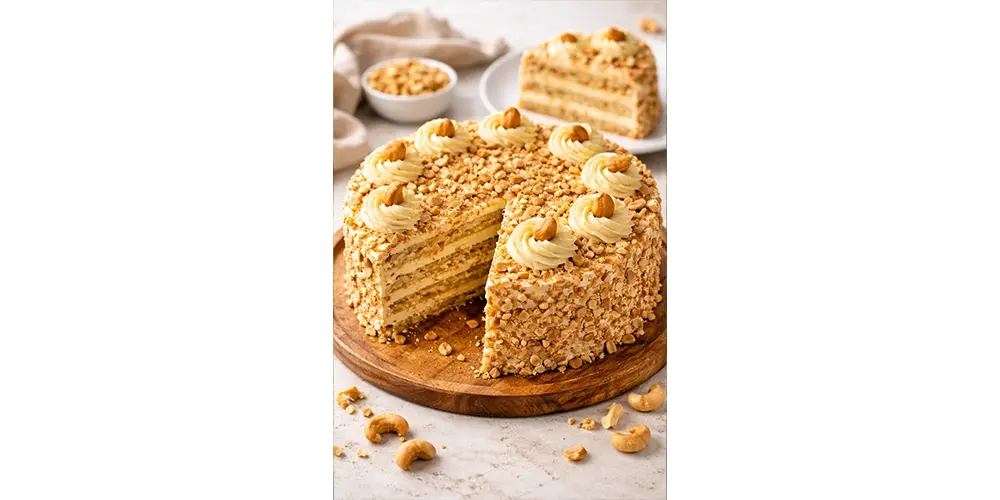
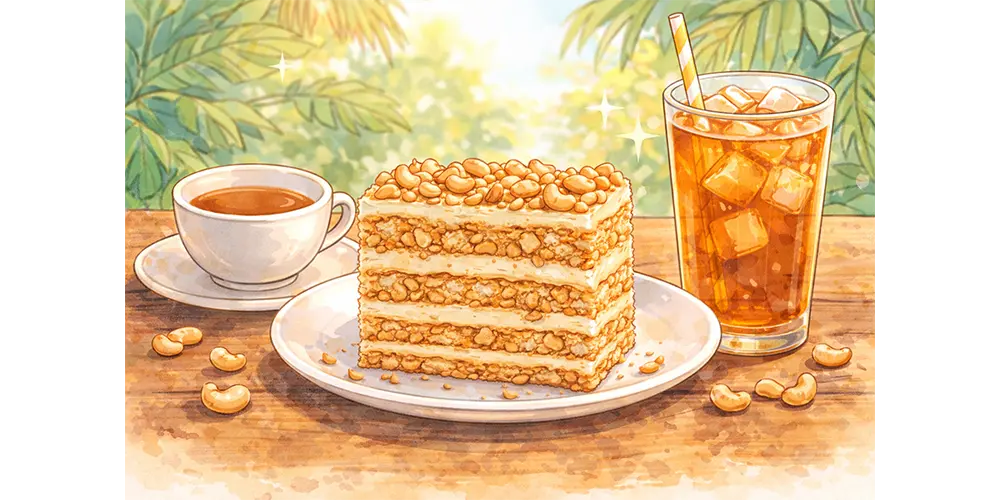
That cake, by the way, is Sans Rival. It’s a rich, indulgent Filipino dessert made of layers of crispy cashew meringue and thick buttercream. It originated in Bacolod, Negros Island, and it’s the kind of sweet, buttery, intensely satisfying thing that makes total sense once you understand Filipino food culture. The name is French for “without rival” — unbeatable. But the cake itself? 100% Filipino. A European name wrapped around a Filipino soul. That little detail, as you’ll see, says a lot about this country.
Anyway, back to the tea question. My husband’s answer made sense at first. But then I thought — wait.
If Filipinos don’t like bitter things, why is ampalaya (bitter melon) sold absolutely everywhere?
That small contradiction turned out to be a fascinating rabbit hole into Filipino food history, colonial influence, and what food actually means to people here.
A Trading Nation That Never Adopted Tea
The Philippines has been a crossroads of trade for centuries. It had deep connections with China, Southeast Asia, and through the Manila Galleon trade, even Mexico and South America. Chinese merchants have been coming here for so long that Manila’s Binondo is considered one of the oldest Chinatowns in the world.
And yet — unlike Japan, China, Taiwan, or Korea — drinking tea never became part of daily Filipino life. Why?
Spain Brought Coffee, Not Tea
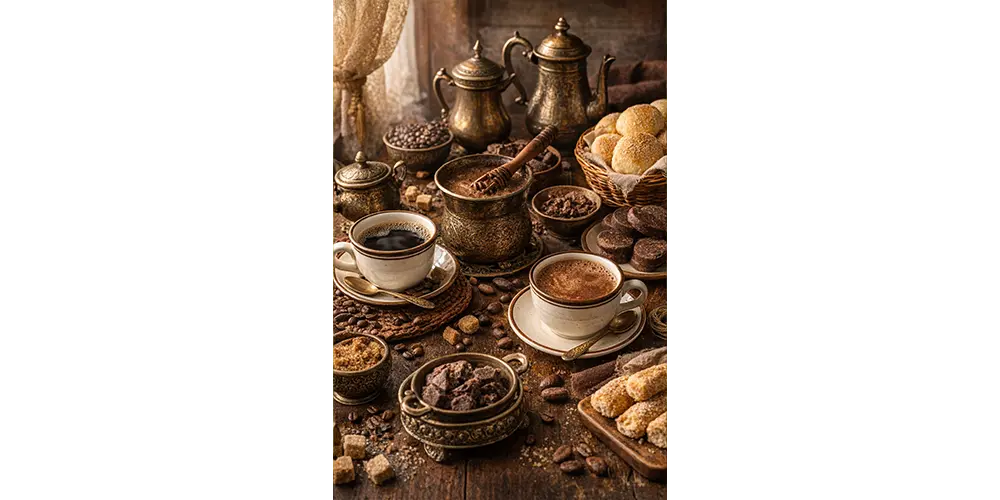
The Philippines was under Spanish colonial rule for around 300 years. In Catholic Spanish culture, the social drink of choice was coffee and hot chocolate (tablea chocolate), not tea. Spain itself had absorbed French cultural influences, associating coffee with sophistication and social life — and that mindset flowed straight into the Philippines.
By the time Spanish colonization had run its course, the foundation was set: coffee = the social drink, not tea.
America Made Sweet Drinks the Norm
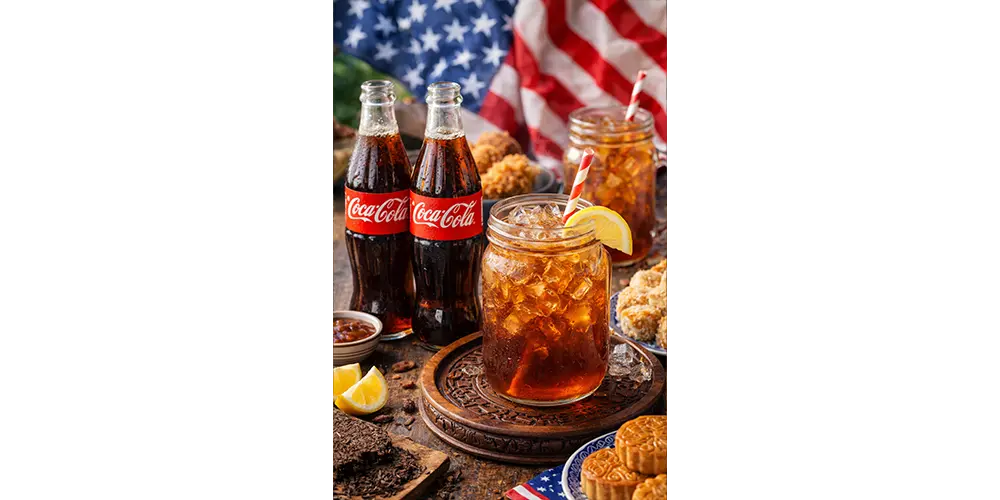
From 1898 to 1946, the Philippines was under American rule, and this reshaped Filipino food culture dramatically. In came iced tea, soda, and sweet bottled drinks — the American way.
The symbol of this shift? Nestlé’s Nestea. This powdered sweet iced tea became a staple, and it’s about as far from unsweetened green tea as you can get. It carries the word “tea” in its name, but in practice it’s just another sweet drink. Through this lens, tea wasn’t rejected — it was reinterpreted as something sweet.
Chinese Immigrants Were Here, But Tea Culture Wasn’t Adopted
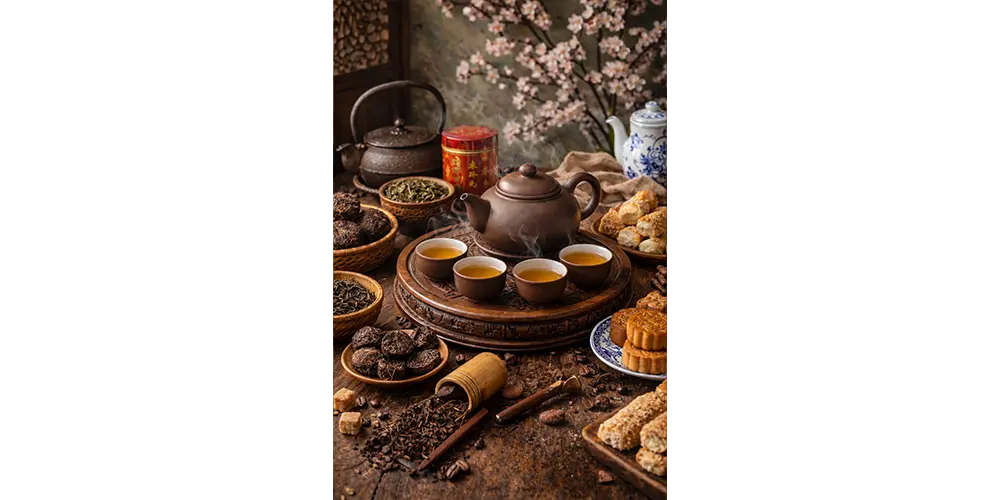
Given the centuries of Chinese presence in the Philippines, you might expect some tea culture to have taken hold. But Chinese tea traditions largely stayed within Chinese-Filipino communities and never spread into mainstream Filipino society.
Compare this to Japan, where tea ceremony (chado) became a national cultural institution tied to spirituality and aesthetics. Or think of how deeply embedded tea is in British or Chinese daily life. In the Philippines, tea never became that kind of ritual or symbol. The cultural soil just wasn’t right for it.
“We Don’t Like Bitter Things” — But What About Ampalaya?
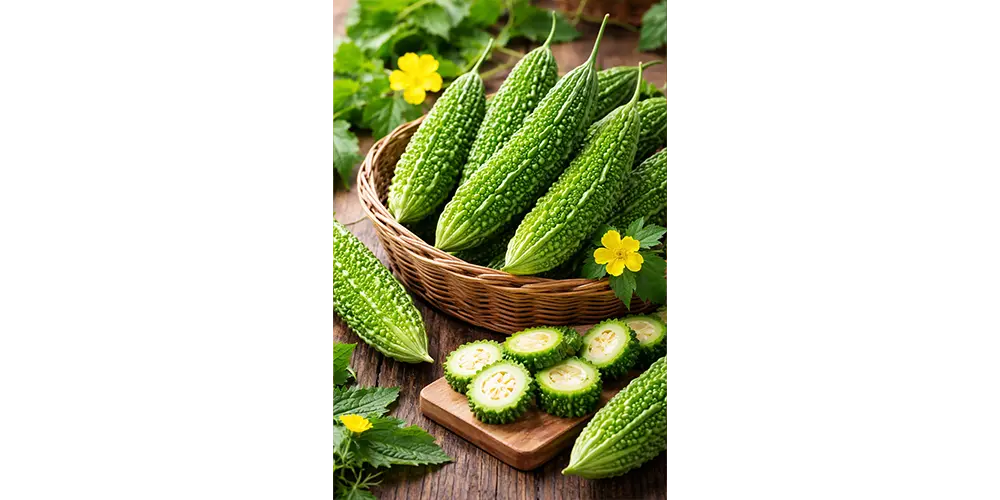
Let’s go back to my husband’s explanation. Filipinos don’t like bitter things, so tea didn’t catch on.
But hold on — ampalaya (bitter melon) is everywhere here. Every market, every palengke, every tindahan. How does that square with “we don’t like bitter things”?
Here’s where it gets interesting.
Ampalaya Is Eaten for Health, Not for the Bitterness
Ampalaya has long been valued in Filipino folk medicine for helping regulate blood sugar. In other words, people eat it not because they enjoy the bitterness, but because it’s good for you. It’s functional bitterness, not aesthetic bitterness.
And the way it’s cooked matters too. The classic dish Ampalaya con Huevo — bitter melon stir-fried with egg — uses the richness of egg and salt to soften the bitterness significantly. The bitterness is there, but it’s managed and tamed, not celebrated.
This is fundamentally different from, say, Japanese green tea or matcha, where the astringency and slight bitterness are the point. They’re the flavor. Appreciating that kind of taste requires a different palate — one that finds beauty in bitterness itself.
Eating bitter ampalaya ≠ having a culture that appreciates bitter flavor
That distinction, I think, is one of the real keys to understanding why tea never took off here.
Fork and Spoon Culture — and Why Tea Doesn’t Fit
Here’s another angle that I find really fascinating. Filipinos eat with a fork and spoon — no knife. A Filipino friend once explained it to me like this: “We skip the extra formality and just eat together, loudly, happily.”
That tells you everything about the Filipino table.
Filipino meals are built around sharing. Big dishes in the center of the table, everyone reaching in, food already cut or slow-cooked until it falls apart with a spoon. The whole point is togetherness — loud, warm, communal eating. Social first, always.
Now think about tea. Tea is personal. Each person has their own cup. You sip slowly. You manage the temperature. You appreciate subtle flavors quietly. Tea, at its core, is an individual, contemplative experience.
That’s almost the opposite of the Filipino dining table.
Philippines → loud, shared, communal
Tea culture → quiet, individual, reflective
For tea to become culturally embedded, you probably need a society that values sitting alone with your thoughts. The Philippines has many beautiful things — but that particular stillness isn’t really part of the culture here.
The Matcha Boom — But Make It Sweet
That said, matcha is quietly having a moment in the Philippines right now. Walk into almost any café and you’ll find matcha lattes, matcha frappes, matcha cakes.
But — and this won’t surprise you — it’s almost always loaded with sugar.
This is exactly the pattern we’ve seen throughout this whole story. Just like Sans Rival took a French name and turned it into something distinctly Filipino and sweet, matcha has been reinterpreted here not as a healthy, slightly bitter Japanese drink, but as a trendy, dessert-like sweet beverage.
So maybe the more accurate statement isn’t “the Philippines has no tea culture.” It’s that the Philippines remade tea in its own image — sweet, accessible, and social.
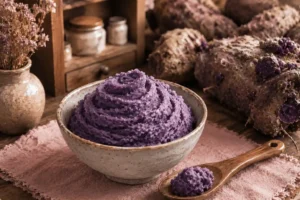
(I ran into this same pattern from the opposite direction while investigating ube, the purple yam behind half the desserts here — turns out the sweetness isn’t really about the yam itself. Real ube vs. fake ube: what nobody tells you)
What a Cake Called “Unbeatable” Taught Me
What started as a curiosity about a cake name turned into a surprisingly rich exploration of Filipino history, colonialism, and food philosophy.
The absence of tea culture here isn’t simply about taste preferences. It’s the result of Spanish coffee culture, American sweet-drink dominance, the deeply communal nature of the Filipino table, and a practical rather than aesthetic relationship with bitterness — all layered on top of each other, just like the meringue and buttercream in a Sans Rival.
I say this as a Japanese person living in the Philippines: in Japan, tea is almost a spiritual practice. There’s a whole philosophy built around a bowl of matcha. Here, the equivalent might be sitting around a table full of food with people you love, talking loudly over each other.
Both are beautiful. Just very, very different.
I still brew my drip coffee every morning and make matcha the traditional way sometimes — unsweetened, of course. My neighbors think I’m a little strange. But keeping that small ritual feels important to me.
Learning to appreciate a culture different from your own while holding onto the parts of yourself that matter — that might be what living abroad is really about.
A Japanese expat living in the Philippines, writing about the little things that make you stop and think.