Halo-halo is a little mysterious, if you think about it.
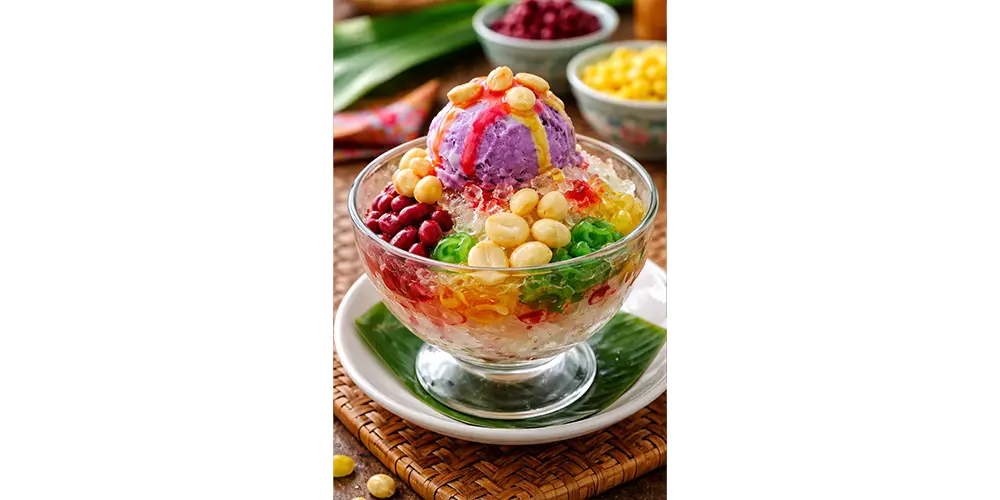
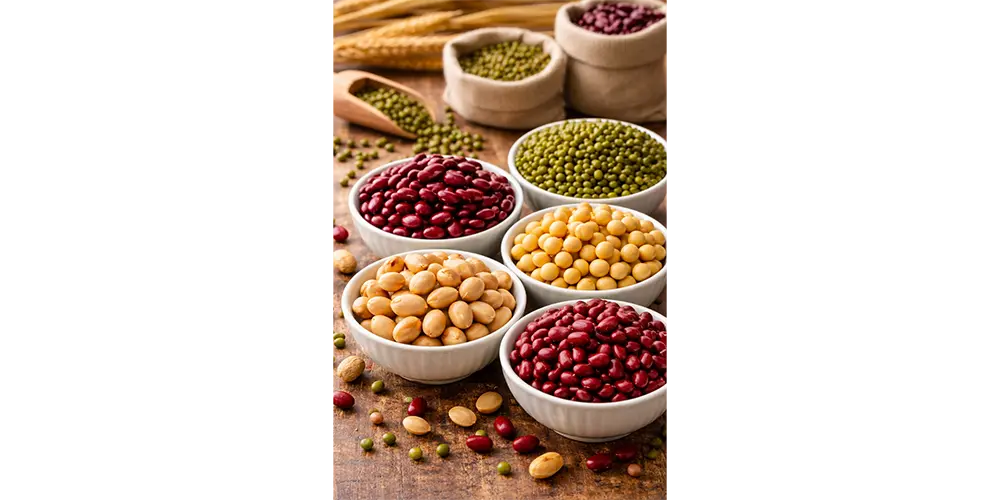
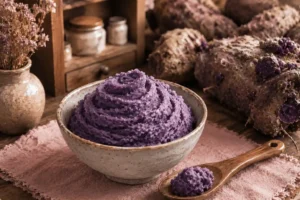
It’s the Philippines’ most iconic dessert — a colorful, towering cup of shaved ice layered with sweet beans, jellies, fruit, and a scoop of purple yam ice cream on top. The name literally means “mix-mix” in Filipino, because you’re supposed to stir everything together before eating.
But where did it actually come from? China? Japan? Was it always Filipino?

Nobody can say for sure — and that’s what makes it so fascinating.
As a Japanese woman living in the Philippines, I got curious about the connection between halo-halo and Japanese shaved ice. So I did a little digging.
(Note: Everything here is based on my own research and shouldn’t be taken as academic fact — but it’s a pretty interesting rabbit hole.)
① Japan Had Shaved Ice First

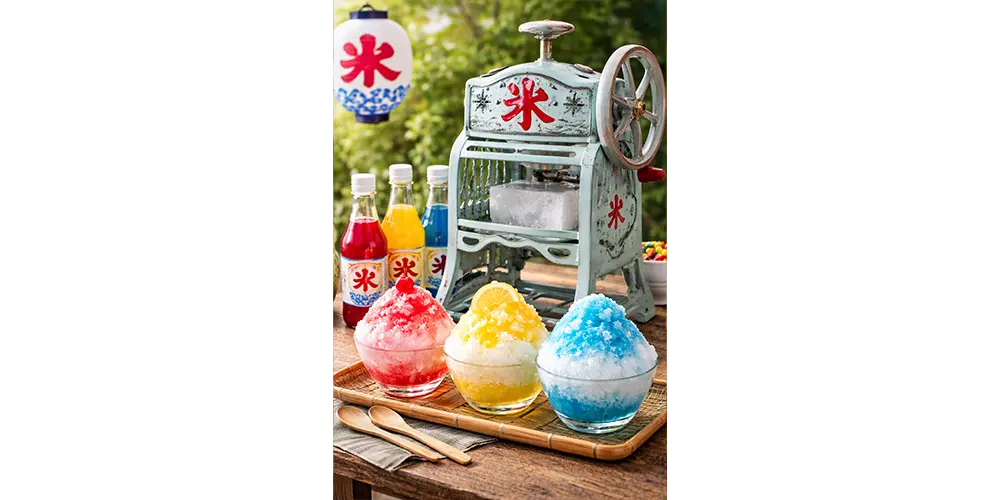
Japanese kakigori (shaved ice) has been around since the Meiji era (late 1800s), when it became popular among ordinary people. By the pre-war period, it was a staple street food — finely shaved ice topped with sweet syrup, condensed milk, red bean paste, and mochi.
In other words, the concept of “shaved ice + sweet toppings” was already fully developed in Japan long before World War II.
② So When Did Halo-Halo Appear?
The Philippines was under Japanese occupation from 1942 to 1945. And here’s the interesting part: the modern version of halo-halo is said to have spread after the war, in the late 1940s to 1950s.
A theory that often comes up:
“Could the ice-shaving machines brought over by Japanese soldiers have sparked halo-halo culture?”
Before that period, finely shaved ice wasn’t really a common thing in the Philippines. The timing is hard to ignore.
That said, there’s no official document that proves Japan was the origin. It remains a compelling theory — nothing more.
③ Razon’s: The “Original” Halo-Halo
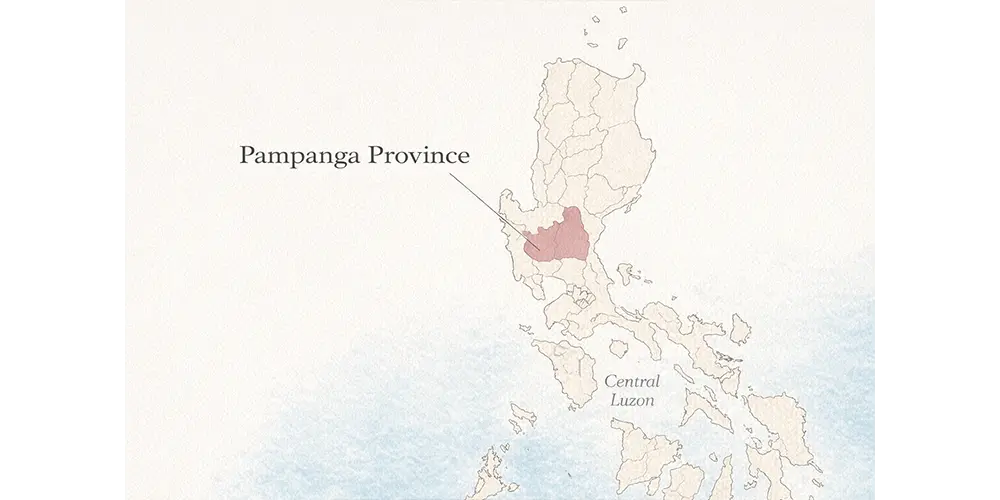
In Pampanga province, there’s a famous shop called Razon’s, often called the home of the original halo-halo. Their version is strikingly simple: soft shaved ice, milky and lightly sweet, topped mainly with leche flan (a Filipino crème caramel) and a few other toppings.
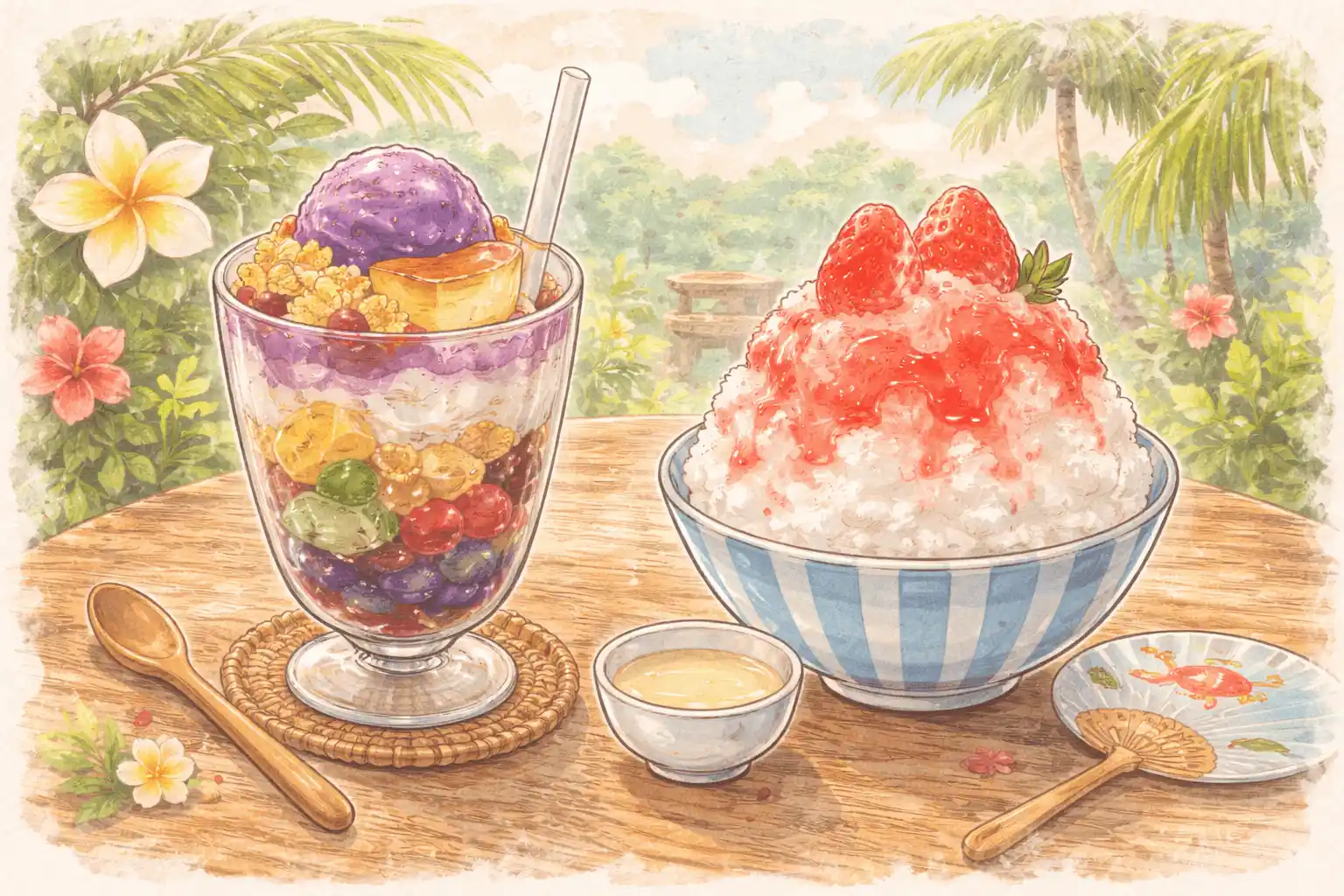
It looks, honestly, a lot like Japanese kakigori.
I asked my Filipino husband Ryan what he thought:
“It’s unique — no one else makes halo-halo quite like this. The main thing is the leche flan. It’s simple, balanced. Older people tend to love it. Personally, I’m not a huge fan though. I prefer Ice Berg’s halo-halo! Chowking (a Filipino-Chinese fast food chain) used to be great too, but it changed after Jollibee (the Philippines’ biggest fast food chain) took over.”
…Thanks for the honest review, Ryan LOL. But if you’ve ever had Japanese kakigori, you’d probably do a double-take looking at Razon’s menu.
④ Why Did the “Original” Come From Pampanga?

Pampanga is known as the “Culinary Capital of the Philippines” — a province with a rich food culture shaped by Spanish, Malay, and Mexican influences over centuries. Its local cuisine, called Kapampangan, is considered some of the most sophisticated in the country.
Now think about what halo-halo might have drawn from:
- 🇨🇳 Chinese immigrant dessert traditions (sweet beans and jellies in shaved ice)
- 🇯🇵 Japanese shaved ice technique
- 🇪🇸 Spanish-influenced dairy (leche flan, condensed milk)
- 🇵🇭 Filipino tropical ingredients (jackfruit, coconut, purple yam)
If halo-halo truly is a product of all these influences, then Pampanga — a place that has been absorbing outside cultures for centuries — might be exactly where you’d expect it to be born. Maybe it’s not a coincidence at all.
⑤ But We Can’t Say It’s “Japanese”
There’s another angle worth mentioning. Long before Japanese occupation, Chinese communities in the Philippines had their own cold dessert traditions — sweet beans and jellies mixed with ice, known as kachang (from the Malay/Hokkien word for beans).

And on a personal note: about six years ago, when I was back in Japan visiting, my husband spotted halo-halo being sold at a 7-Eleven. There may have been some mention on the packaging about its connection to Japanese shaved ice — though honestly, I don’t remember clearly. What I do remember is that this wasn’t a one-time thing; Japanese convenience stores have carried halo-halo-style sweets several times over the years. Interesting that it would come full circle like that.
One More Thing
Thinking about it more, halo-halo feels like a metaphor for the Philippines itself.
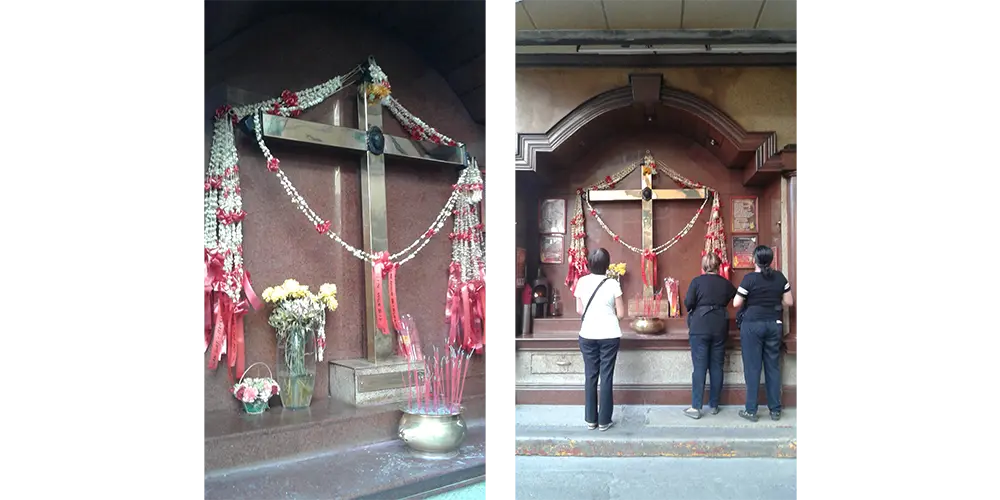
In Manila’s Binondo — said to be the world’s oldest Chinatown — there’s a cross on a street corner where people light long Chinese-style incense sticks, then make the sign of the cross. Buddhist ritual and Catholic tradition, side by side, without anyone finding it strange.

I won’t pretend the mixing is always simple or painless. But there’s something about the Filipino way of folding things together — warmly, messily — that I find genuinely moving. Every time I eat halo-halo, I think about that.
The Verdict: Halo-Halo Is a “Mixed-Blood” Dessert
- ✔ Japanese kakigori probably isn’t the single origin
- ✔ But Japanese influence after WWII is a real possibility
- ✔ Halo-halo is the product of many cultures colliding
Maybe that’s exactly what makes it so special. The more you mix it, the better it tastes — and the harder it is to trace where it all began.
That’s halo-halo for you.